It’s interesting how few things ever feel finished anymore.
Software updates continuously. Brands redesign themselves constantly.
Buildings get repurposed every few years. Entire neighbourhoods change identity within a decade.
Even personal identity now feels strangely iterative online, as though people exist publicly in a permanent state of revision.
Nothing settles properly.
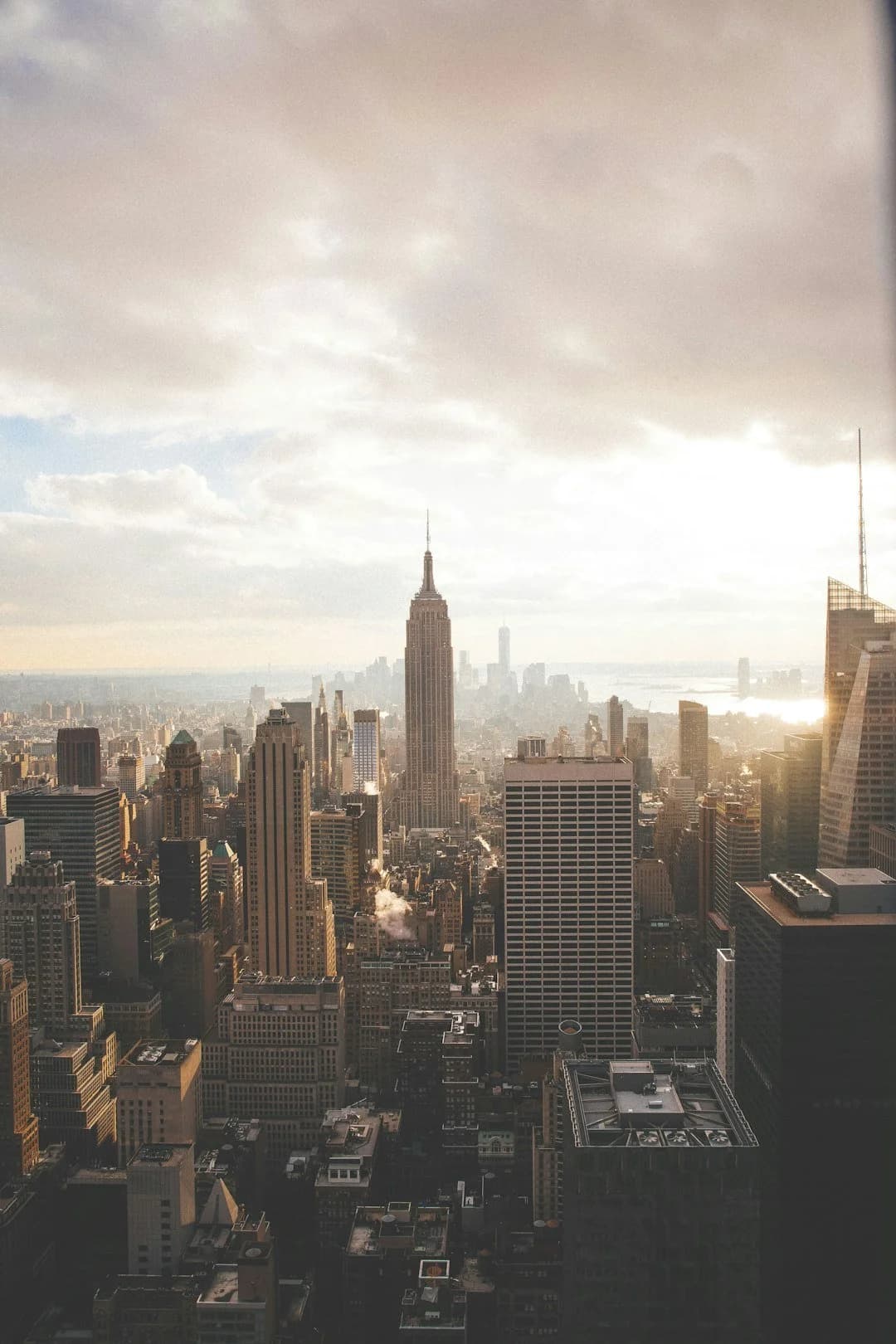
You can feel this in cities especially. Places no longer age at the same speed they once did. Restaurants disappear before becoming institutions. Retail spaces rotate endlessly through new concepts. Offices become apartments, then coworking spaces, then something else again a few years later. There’s a strange instability underneath a lot of modern environments now, even when they appear polished on the surface.
And maybe part of that comes from the way digital culture changed our relationship with permanence itself. Everything became editable. Music. Photography. Writing. Products. Interfaces. Architecture. Identity. Nothing arrives in a final state anymore because almost everything can now be updated continuously after release. Entire industries operate through ongoing iteration rather than completion. Which sounds positive initially. More flexibility. Faster improvement. Constant optimisation. But I think something else disappears when environments stop being allowed to settle.
Certain places become meaningful precisely because they remain consistent long enough for memory to accumulate around them. The café that still feels roughly the same ten years later. The hotel lobby that hasn’t been redesigned into whatever the current aesthetic trend happens to be. The street that still carries traces of previous decades instead of constantly erasing itself.
Stability creates emotional texture. People build relationships with places over time, and those relationships depend partly on continuity. Familiarity deepens attachment. Permanence creates atmosphere. Memory embeds itself into environments physically. Modern culture talks a lot about innovation, but not very much about endurance. Maybe the future doesn’t only belong to environments that adapt constantly.
Maybe some of it belongs to places capable of remaining still long enough for people to form lasting connections with them.