
Genesis Energy Systems
Genesis Energy Systems reimagines the relationship between energy and the environments in which it is used.
Rather than treating generation, storage and demand as separate systems, GES brings them together within the built environment, creating a local energy architecture that can generate, retain, understand and coordinate energy closer to the point of use.
The System
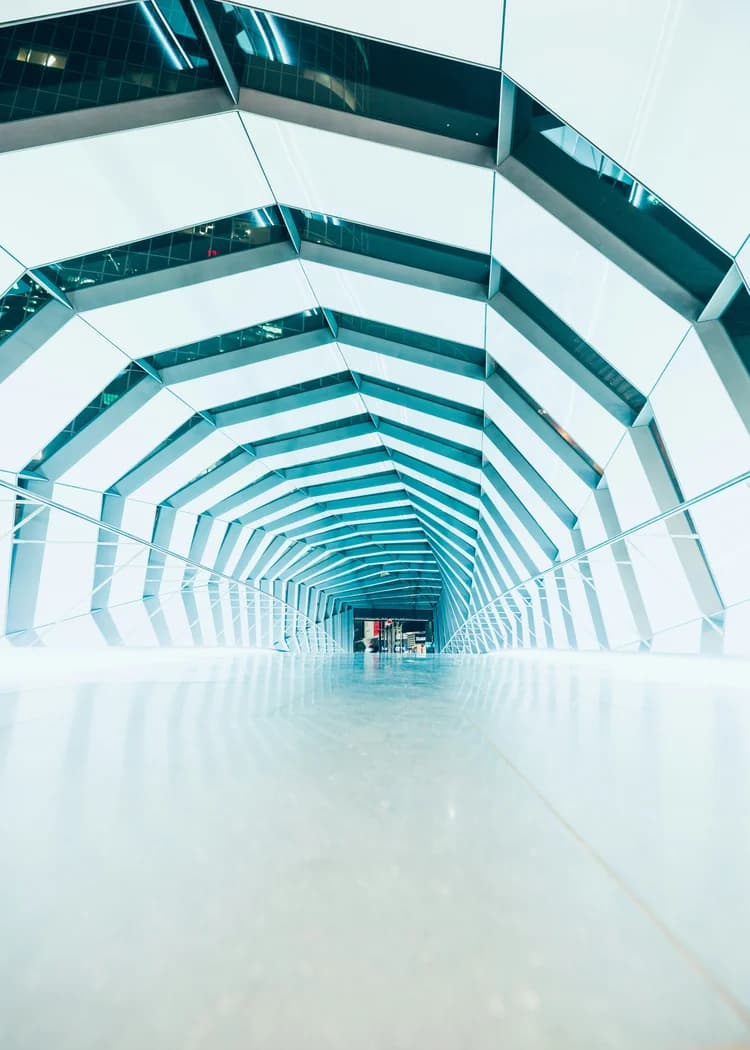
GES combines physical energy infrastructure with an intelligent orchestration layer.
At infrastructure level, energy can be generated within the environment itself, captured from activity that already takes place there and stabilised close to the point of generation.
Storage provides a local buffer between generation and demand, allowing available energy to be retained rather than requiring generation and consumption to occur simultaneously.
The orchestration layer observes generation, storage, demand and available external sources as parts of the same system. Energy can then be coordinated according to what the environment requires, what is available locally and what should be preserved for later use.
The result is an energy architecture that operates within the environment rather than simply supplying it from outside.
From Movement to Energy
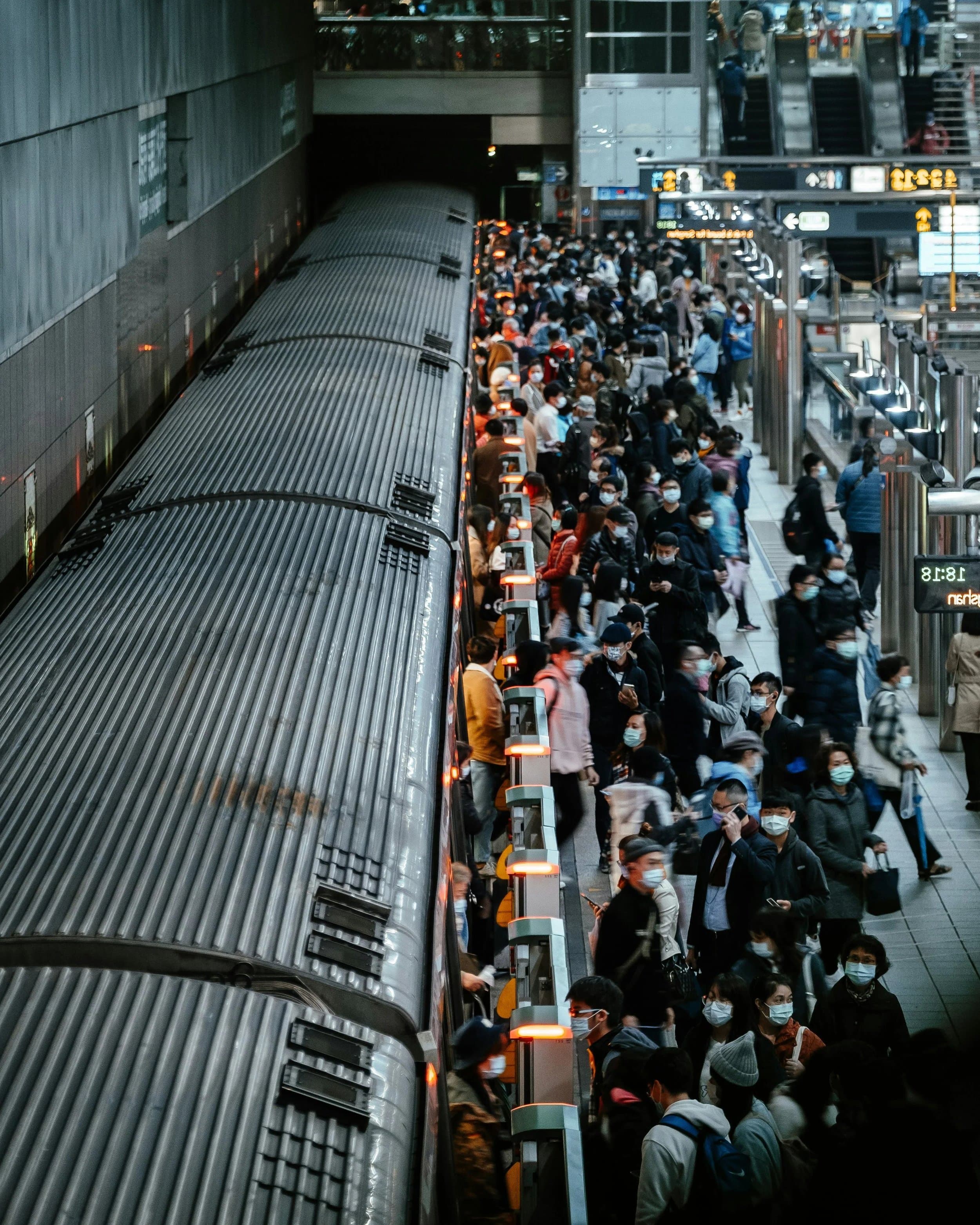
Movement through busy environments represents a persistent physical interaction between people and infrastructure.
GES is developing infrastructure capable of capturing a proportion of that activity and converting it into usable electrical output. The intention is not to change how people move through a space, but to allow the infrastructure already beneath them to participate in the energy system.
Individual interactions are small. Their significance emerges through repetition, density and scale.
Transport hubs, commercial environments and other areas of sustained movement therefore present a different proposition: infrastructure that is already being used can begin contributing to the energy requirements of the environment around it.
Intelligence and Orchestration
Generating energy locally is only part of the problem.
Buildings and infrastructure rarely operate under fixed conditions. Occupancy changes, demand moves between systems, environmental conditions vary and available energy sources change throughout the day.
GES therefore treats energy coordination as an active process. The system observes what is happening within the environment and determines how available generation, storage and external supply should work together.
This allows the energy architecture to respond to the environment it serves rather than operating independently of it.

Our Position
GES is being developed as infrastructure, not as an isolated generation technology.
Its value therefore cannot be understood solely through the output of an individual surface, device or energy source. The relevant measure is the behaviour of the complete system: what can be generated locally, what can be retained, what demand can be displaced and how intelligently different energy resources can be coordinated over time.
This changes the question from how much energy a single technology can produce to how effectively an environment can participate in managing its own energy.

System Status
The GES architecture has been defined across generation, storage and orchestration.
Digital modelling and simulation are being used to evaluate system behaviour across different environments, densities, demand profiles and energy conditions. The orchestration layer has progressed into working software and is moving through controlled integration and pilot testing.
Physical development is focused on translating the generation architecture into production intent prototypes, validating energy behaviour under representative conditions and preparing the system for live environment testing.
The programme will progress through physical validation, integration testing and the certification requirements necessary for deployment within regulated infrastructure environments.
A Different Energy Architecture
Centralised energy systems remain essential to modern life. GES does not assume that they disappear.
The opportunity is to complement them.
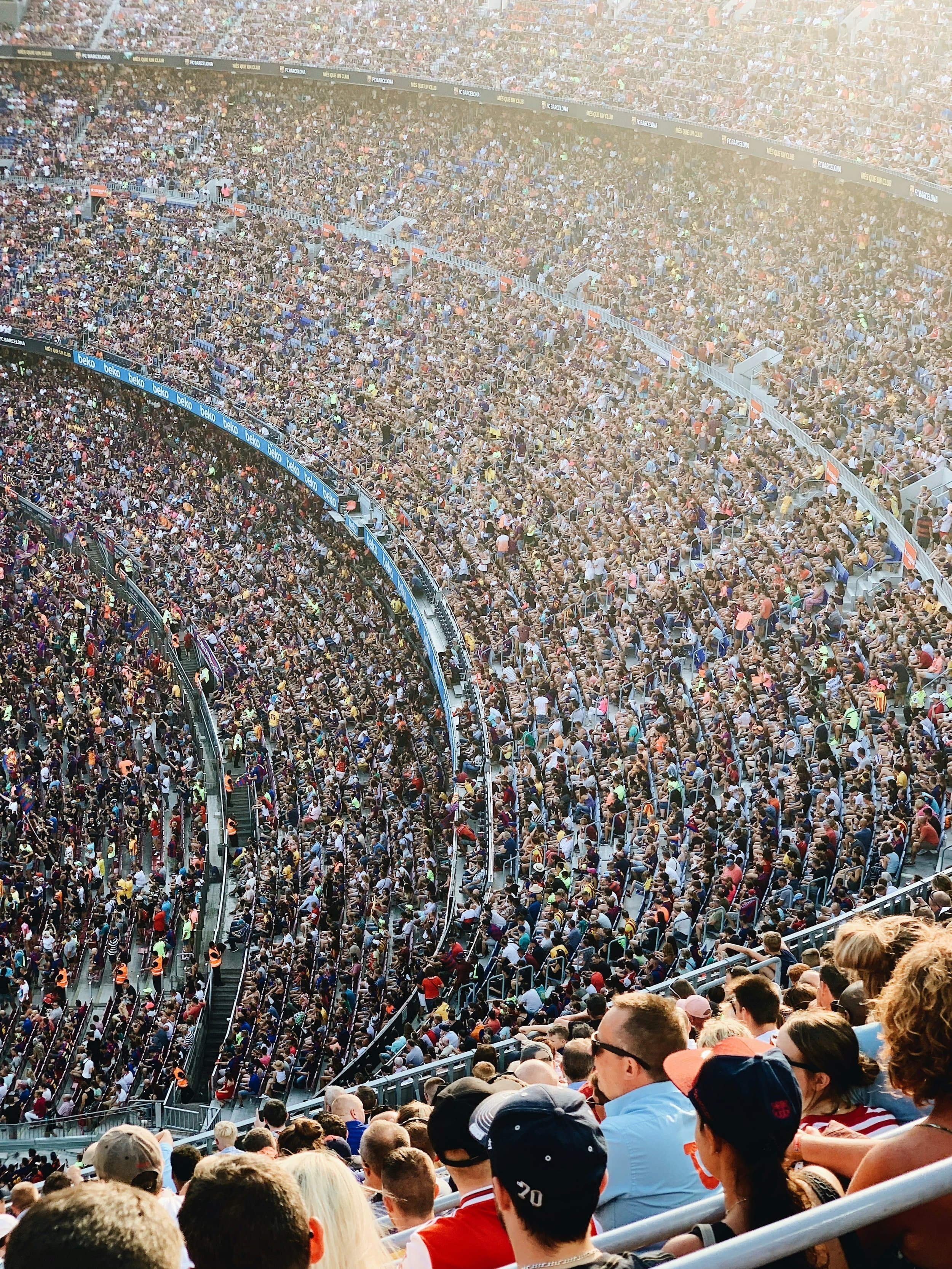
As generation, storage and intelligence move closer to the environments where energy is actually used, buildings and infrastructure can become active participants in the energy system rather than passive endpoints.
GES is exploring what becomes possible when that relationship changes.
Work with us?
We engage selectively with organisations and partners exploring how local energy infrastructure can operate within live environments.
Start a conversation ↗